

Seasonal activities help assisted living residents stay connected to familiar routines, changing weather, local traditions, and one another. The most successful programs are not necessarily elaborate. They are safe, flexible, and adapted to residents’ abilities, interests, energy levels, and past experiences.
In Blairsville, PA, seasonal planning should account for cold winters, changing spring weather, warm summer days, and fall conditions that may include rain, wind, or uneven outdoor surfaces. Activities can take place indoors, outdoors, or through simple sensory experiences that bring the season into the living environment.
What makes a seasonal activity appropriate for assisted living residents?
A suitable activity matches the resident’s physical abilities, cognitive needs, personal interests, and comfort level. It should also allow participation without requiring everyone to complete the same task.
Useful planning questions include:
- Can the activity be completed while seated?
- Is there enough lighting and clear walking space?
- Can residents participate without strong hand strength, balance, or vision?
- Are instructions simple and easy to repeat?
- Is there a quieter option for residents who become overstimulated?
- Can the activity be shortened if residents become tired?
Activities should offer choices rather than pressure. A resident may enjoy watching a demonstration, sorting materials, listening to music, or talking about past experiences even if participating in the main task is difficult.
Which winter activities work well indoors?
Winter activities are most successful when they create warmth, conversation, and gentle movement without requiring residents to travel outdoors in icy or hazardous conditions.
A seasonal indoor schedule might include:
- A hot beverage social with caffeine-free choices and discussion about winter traditions
- Large-piece puzzles, word games, or simple card games
- Indoor walking accompanied by music
- Decorating paper snowflakes, winter scenes, or greeting cards
- A “winter memories” conversation using photographs, clothing, or household objects
- Chair exercises focused on stretching, balance, and range of motion
- Baking activities using pre-measured ingredients and supervised equipment
Winter also provides opportunities for sensory activities. Evergreen branches, cinnamon, citrus peel, warm fabrics, and recorded outdoor sounds can encourage reminiscence. Strong scents should be used cautiously because some residents may have allergies, asthma, headaches, or sensory sensitivities.
Outdoor winter viewing can be meaningful even when residents should not walk outside. Staff or family members can help residents observe snowfall, birds, changing light, or winter trees from a safe window or covered area. The goal is connection with the season, not exposure to unsafe conditions.
How can spring activities support movement and social connection?
Spring activities can gradually reintroduce residents to outdoor spaces, but the schedule should remain flexible. In Blairsville, PA, early spring may bring cool temperatures, wet ground, and changing weather, so outdoor plans need a backup option.
Appropriate spring activities include:
- Planting herbs or flowers in raised containers
- Decorating small pots or garden markers
- Bird-watching from a window, porch, or accessible outdoor area
- A spring music program featuring familiar songs
- Folding laundry, arranging artificial flowers, or sorting gardening tools
- Nature-themed painting or collage projects
- A short supervised walk on a level, dry path
Gardening does not have to involve bending, kneeling, or prolonged standing. Residents can participate by choosing colors, touching soil, placing labels, watering with a lightweight container, or discussing plants they remember growing.
Spring can also bring seasonal allergies. Outdoor activities should be postponed during heavy rain, high winds, or periods when pollen causes discomfort. Residents should have access to shade, seating, water, and a way to return indoors easily.
What are safe summer activities for older adults?
Summer activities should be scheduled during cooler parts of the day and adjusted for humidity, sun exposure, and individual health needs. Residents may enjoy outdoor time, but heat-related illness can develop quickly, particularly among people with chronic conditions or limited ability to recognize thirst.
Good summer options include:
- Morning patio visits with shaded seating
- Seated gardening or watering activities
- Frozen fruit treats or a supervised hydration station
- Outdoor music, storytelling, or poetry
- Simple lawn games adapted for seated participation
- Hand-fan decorating or watercolor projects
- Watching clouds, birds, or seasonal plants from a shaded area
- Indoor activities using beach, picnic, or summer travel themes
Lightweight clothing, hats, sunscreen when appropriate, and regular fluid breaks can improve comfort. Staff should watch for unusual fatigue, dizziness, confusion, headache, nausea, sweating changes, or weakness. A resident who appears unwell should be moved to a cooler setting and evaluated according to the community’s health and safety procedures.
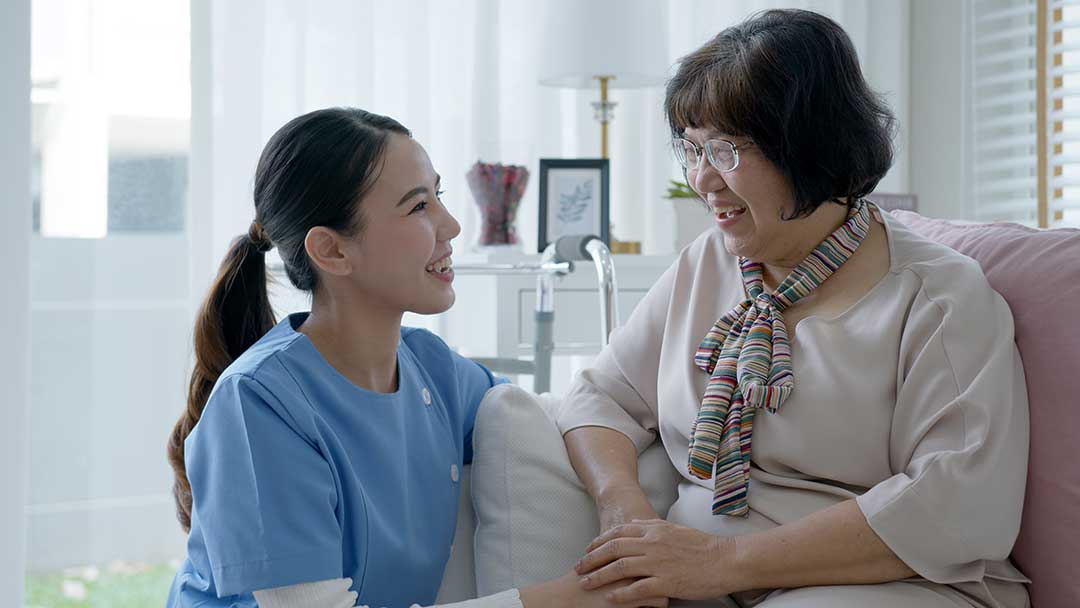
Summer does not require every activity to happen outdoors. An indoor “summer fair” with music, crafts, fruit, and conversation may be more enjoyable than sitting outside in excessive heat.
How can fall activities encourage reminiscence?
Fall offers familiar sights, textures, and traditions that can prompt conversation. Leaves, harvest colors, cooler temperatures, and seasonal foods may remind residents of family gatherings, school routines, work, or household responsibilities.
Possible activities include:
- Arranging leaves, pinecones, or artificial seasonal decorations
- Painting with fall colors
- Preparing simple recipes with staff supervision
- Sharing stories about harvest customs or autumn celebrations
- Sorting large craft materials by color or texture
- Listening to familiar music associated with past seasons
- Taking a short walk to observe changing foliage when conditions are safe
Natural materials should be checked for insects, mold, sharp edges, and choking hazards. Residents with allergies or respiratory conditions may prefer artificial decorations or an indoor viewing activity.
Fall weather can change quickly. Wet leaves may create slipping hazards, and cooler temperatures may be uncomfortable for residents with reduced circulation or limited mobility. Outdoor routes should be checked before use, and residents should have appropriate layers and accessible seating.
How should holidays and cultural traditions be handled?
Holiday activities should reflect residents’ preferences rather than assume that everyone celebrates the same events. Programs can include cultural, religious, seasonal, and non-holiday alternatives.
Residents may be invited to:
- Share a family tradition
- Listen to music connected with a meaningful celebration
- View decorations without participating in a particular holiday
- Make neutral seasonal crafts
- Tell stories about favorite foods, clothing, or gatherings
- Observe traditions privately with family or personal support
Participation should remain voluntary. Some holidays may bring grief, loneliness, or difficult memories. A quiet room, one-to-one conversation, or familiar daily routine can be just as appropriate as a group celebration.
How can families support seasonal activities?
Families can help by sharing information about a resident’s interests, abilities, former hobbies, and meaningful seasonal memories. A short conversation about favorite music, recipes, outdoor activities, or family traditions can help activity planners create more personal programs.
Useful items may include labeled photographs, large-print recipes, fabric samples, greeting cards, or safe household objects connected with a resident’s past. Families should avoid bringing items that create clutter, trip hazards, allergy concerns, or confusion about ownership.
The most valuable contribution is often conversation. Asking a resident what a season reminds them of can turn an ordinary craft, meal, or walk into a meaningful social activity.
What if a resident does not want to join group activities?
A resident’s choice not to attend a group activity should be respected. Social participation can take many forms, including sitting nearby, listening to music, watching others, talking with one person, or completing a familiar task privately.
Staff and family members can offer the activity again at a different time or in a smaller setting. Changes in participation may also signal fatigue, pain, depression, hearing difficulty, medication effects, or discomfort with the environment. Persistent withdrawal or a sudden change in behavior should be shared with the resident’s care team.
Seasonal programming works best when it provides connection without pressure. A safe walk, a familiar song, a warm drink, or a conversation about past seasons may be enough to make the day feel purposeful.
