
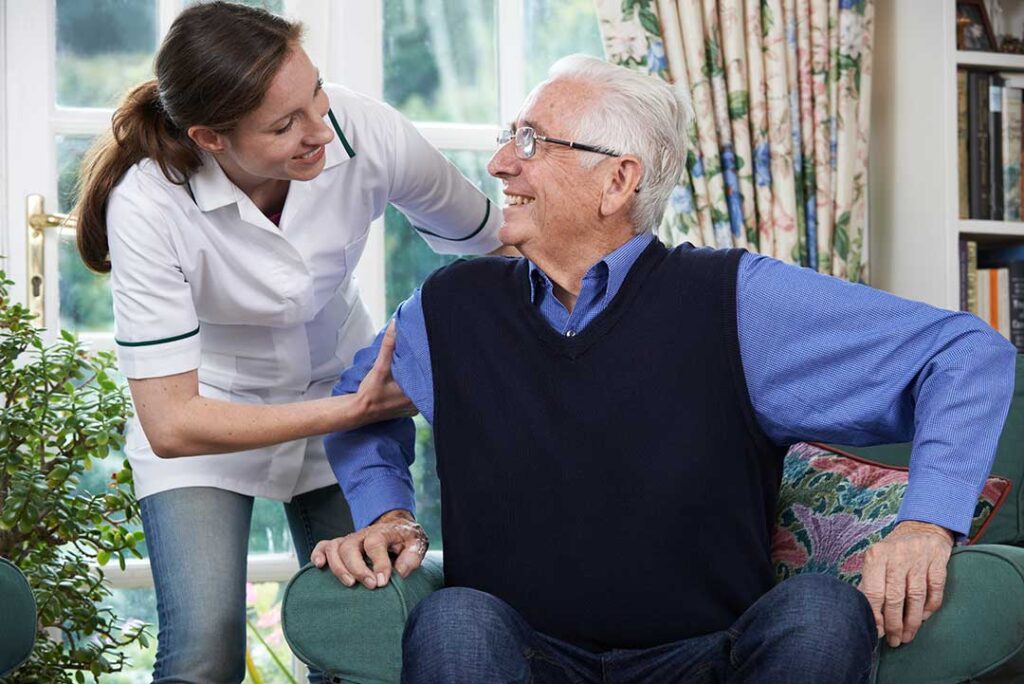
What Do Volunteers Actually Do in Assisted Living Settings?
Volunteers assist with activities, companionship, and support tasks that enrich daily life for residents. Their involvement can range from organizing social events to providing one-on-one conversation, supporting hobby clubs, and assisting with outings or group exercises. Volunteers may also help with reading sessions, sharing music, or facilitating light crafts.
In practical terms, volunteers might:
- Lead or assist with board games, puzzle groups, or trivia nights
- Guide gentle exercise classes or walking groups, especially important during Blairsville’s varied seasons
- Read aloud to individuals who have limited vision or mobility
- Offer hands-on support for gardening in designated community outdoor spaces
- Visit with residents who have limited family nearby
These tasks relieve staff and create broader engagement opportunities for residents, making everyday life feel less institutional and more community-focused.
Who Can Volunteer, and Are There Age or Training Requirements?
Most assisted living communities welcome both adults and teenagers as volunteers, often through school programs, area faith groups, or just personal interest. Basic orientation or training is usually required to ensure safety, privacy, and appropriate interaction with residents.
Key points about volunteer eligibility:
- Background checks may be required for adults
- Minors often need parental permission or group supervision
- Some training covers dementia-awareness, privacy (HIPAA), and emergency procedures
- Ongoing commitment can range from once a week to seasonal or occasional events
Local residents interested in volunteering often find options that work around job schedules, family obligations, or school calendars.
How Do Volunteers Impact Residents’ Well-Being?
Residents often report feeling more connected and valued due to volunteer-staffed programs and visits. The human presence and intentional social time counteract feelings of isolation, especially during long winters common in the region. Volunteers provide emotional support that complements care from professionals.
Practical positive effects include:
- Increased willingness to participate in activities
- Enhanced mood and decreased loneliness
- Cognitive stimulation through conversation, games, and new experiences
- Help with adapting hobbies to age or health needs
In Blairsville, social connections outside of immediate family are treasured, and volunteers help fill gaps for those with fewer visitors.
Are There Boundaries to a Volunteer’s Role?
Volunteers support social, recreational, and companionship needs — but do not replace certified care staff for medical, hygiene, or medication-related activities. It’s a common misconception that volunteers are substitutes for nurses or aides. In reality, boundaries are clearly outlined to respect privacy and safety.
Volunteers typically do not:
- Administer medicine
- Provide bathing or personal hygiene assistance
- Handle medical emergencies alone
Their role is rooted in friendship and enrichment, rather than direct physical care.
How Does the Local Community Benefit From Volunteer Participation?
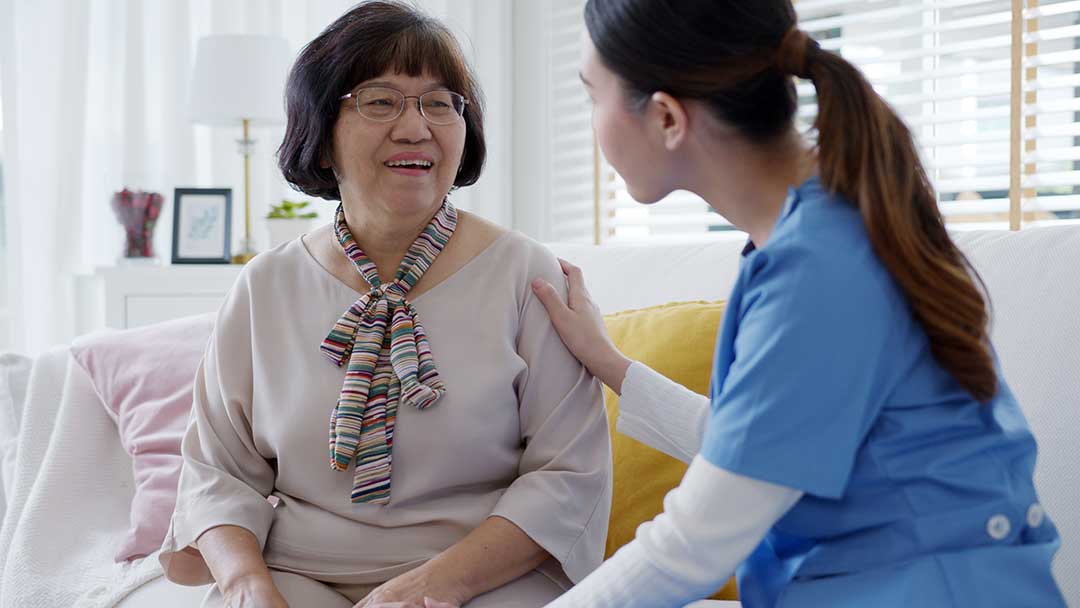
Beyond direct support for residents, volunteers help strengthen the city’s sense of connection and mutual support. Households with strong roots in Blairsville often value opportunities for young people to learn from older generations, while retirees enjoy giving back on their own schedules.
Other benefits include:
- Intergenerational understanding grows as teens, adults, and seniors interact
- Area schools and civic clubs fulfill service components while building empathy
- Local traditions and stories are shared, preserving community identity
Assisted living staff also benefit from volunteer support. By handling non-medical tasks, volunteers allow trained caregivers to focus their time where specialized skills are needed.
What Qualities Make a Good Volunteer in Assisted Living?
Successful volunteers are patient, open-minded, and reliable. Friendliness is helpful, but so is the ability to listen and respect boundaries. Adapting to the pace and interests of older adults — rather than hurrying or insisting on activities — often determines how rewarding the experience is for both residents and volunteers.
Helpful qualities include:
- Good communication, including active listening
- Flexibility and sensitivity to changing needs
- Willingness to take part in training and follow rules
Respect for confidentiality and comfort with diverse personalities or memory challenges is also essential.
How Can Residents and Families Welcome and Support Volunteers?
Residents and their families help shape a positive environment by greeting volunteers warmly and sharing feedback about activities that are meaningful or accessible. Open communication helps volunteers adapt and tailor what they offer so programs stay relevant.
Some specific ways to support volunteers include:
- Thanking them directly for specific efforts
- Suggesting new activities or improvements, especially those rooted in local traditions
- Sharing preferences or limitations to avoid frustration on either side
Volunteers often report that simple recognition — like a note or verbal thanks — keeps them returning and builds genuine friendships.
