
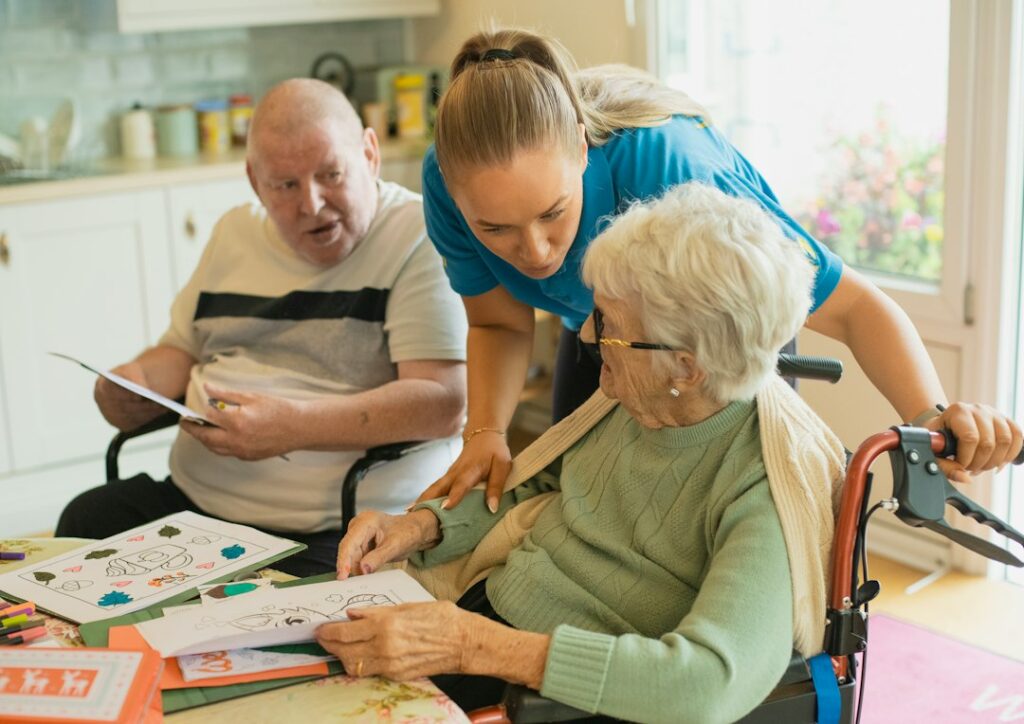
What does person-centered assisted living mean?
In Blairsville, PA, person-centered assisted living means care is organized around the resident’s preferences, abilities, routines, and goals—not only around a standard daily schedule. The purpose is to provide appropriate support while preserving as much choice, privacy, and independence as possible.
A resident may need help with bathing, medication reminders, dressing, meals, or transportation while still making personal decisions about:
- What time to wake up and go to bed
- Which clothing to wear
- What foods to eat
- How to spend the day
- When to participate in activities
- How much social interaction feels comfortable
- Which family members or friends to involve in care decisions
Assistance should not mean that every part of the day is controlled by someone else. A well-planned living arrangement separates tasks that require support from choices the resident can continue making independently.
How are individual preferences identified?
Preferences are usually discussed during an assessment before move-in and revisited as needs change. Staff may ask about a person’s medical history, daily habits, communication style, interests, cultural background, food preferences, sleep patterns, and important relationships.
Family members can provide helpful background, especially when memory loss or illness makes communication more difficult. However, the resident’s own wishes should remain central whenever the person is able to express them.
Useful questions may include:
- Does the person prefer quiet mornings or early activities?
- Are there foods, textures, or ingredients to avoid?
- Is personal care more comfortable with a particular approach or caregiver?
- Does the resident enjoy conversation, group activities, music, gardening, reading, or time alone?
- Are there religious, cultural, or family traditions that should be respected?
- What routines help the person feel calm and secure?
These details should be recorded in the care plan. A care plan is more useful when it explains how support should be provided, not just which services are needed.
Can residents keep their normal routines?
In many cases, residents can keep familiar routines even after moving into assisted living. A person who has always enjoyed a slow breakfast, an afternoon nap, evening television, or a regular phone call may be able to continue those habits.
Schedules may need adjustment for medication, meals, therapy, or safety. Even so, there is often room for flexibility. For example, a resident may choose between available meal times, decide whether to attend a group program, or receive help with personal care at a preferred time when staffing allows.
This flexibility can be especially valuable during winter weather in Blairsville, PA. Snow, ice, shorter daylight hours, and difficult driving conditions may affect visits and outdoor activities. Indoor routines, accessible recreation, video calls, and planned family communication can help residents stay connected without making every day feel identical.
How do residents make choices about meals?
Food is closely connected to comfort, health, culture, and personal identity. Assisted living communities commonly consider dietary needs such as diabetes management, food allergies, swallowing concerns, low-sodium diets, or texture modifications. Those health requirements should be balanced with reasonable preferences.
Residents may have choices about:
- Selecting from available menu options
- Portion size
- Beverage preferences
- Favorite snacks
- Dining in a shared area or, when permitted, in a private space
- Celebrating birthdays and family traditions with familiar foods
A medically necessary diet does not automatically mean food must be bland or impersonal. Favorite flavors, familiar recipes, and preferred meal timing can often be incorporated safely. Families should share information about foods the resident enjoys and any long-standing habits that may affect appetite.
What if a resident prefers privacy or limited social activity?
Not every resident wants a busy social calendar. Some people enjoy frequent conversation and group programs, while others prefer reading, watching television, listening to music, completing puzzles, or spending time alone.
Respecting individual preferences includes avoiding pressure to participate in every activity. Social programs should be offered as opportunities, not treated as proof of cooperation or happiness.
Privacy also includes knocking before entering, explaining personal care tasks, protecting private conversations, and allowing residents to make reasonable decisions about visitors. Family involvement can be helpful, but residents should have a voice in how often visits occur and who participates in discussions about care.
How can assisted living support hobbies and meaningful activities?
Activities are most effective when they connect with a resident’s past interests and current abilities. A former gardener may enjoy caring for indoor plants. Someone who worked with tools may prefer hands-on projects. A music lover may respond to familiar songs, while a lifelong reader may appreciate large-print books or audiobooks.

The activity may need to be adapted, but adaptation does not make it meaningless. Examples include:
- Shorter activities for residents with limited stamina
- Seated exercise for people who cannot stand safely for long periods
- Simple craft steps for someone with memory changes
- Familiar music for residents who have difficulty following conversation
- Reminiscence activities based on photographs, household objects, or family stories
- Outdoor time when weather and mobility conditions permit
The goal is not to keep everyone occupied. The goal is to support enjoyment, purpose, identity, and connection.
How are cultural, religious, and family preferences respected?
Personalized care should account for more than medical needs. Cultural traditions, religious practices, language preferences, grooming habits, holiday observances, and family customs may be deeply important to a resident’s sense of self.
Families can help by explaining traditions clearly and sharing information about meaningful dates, foods, clothing preferences, prayer routines, music, or forms of address. Residents should also be able to revise these preferences. A person’s choices may change after illness, grief, disability, or a move into a new setting.
Respectful care avoids making assumptions based on age, diagnosis, appearance, or family background.
What role does technology play in personal choice?
Technology can help residents maintain familiar relationships and routines. Tablets, phones, electronic calendars, hearing devices, and video calls may support communication with family members, especially when winter travel or health concerns make in-person visits harder.
Technology should be matched to the resident’s comfort level. Some people may need larger text, simplified controls, written instructions, or help charging a device. Others may prefer traditional phone calls, printed calendars, or face-to-face visits.
Digital tools should support choice rather than replace personal interaction.
What should families ask about individual preferences?
Families evaluating assisted living can ask specific questions instead of relying on broad statements about personalized care:
- How are resident preferences recorded?
- How often are care plans reviewed?
- Can residents choose meal times or activity schedules?
- How are privacy and visitor preferences handled?
- What happens when a resident’s abilities change?
- How are complaints or disagreements addressed?
- How does staff learn about a new resident’s life history?
- Are families included in care discussions when the resident wants that involvement?
The most useful answer will describe actual routines and examples. Individual preferences are supported through daily communication, consistent documentation, respectful staff behavior, and regular adjustments—not through a care plan that remains unchanged after move-in.
