
Why do games and pastimes matter in assisted living?
Favorite activities in assisted living are more than ways to pass time. Games and familiar pastimes can support memory, movement, conversation, confidence, and a sense of belonging. In Blairsville, PA, seasonal weather and changing daylight can also make indoor recreation especially valuable during colder or rainy periods.
The most successful activities are usually those that match a resident’s interests, abilities, energy level, and comfort with groups. A person who dislikes competitive games may enjoy music, puzzles, or a quiet craft just as much as another resident enjoys cards or trivia.
Which games are most popular with older adults?
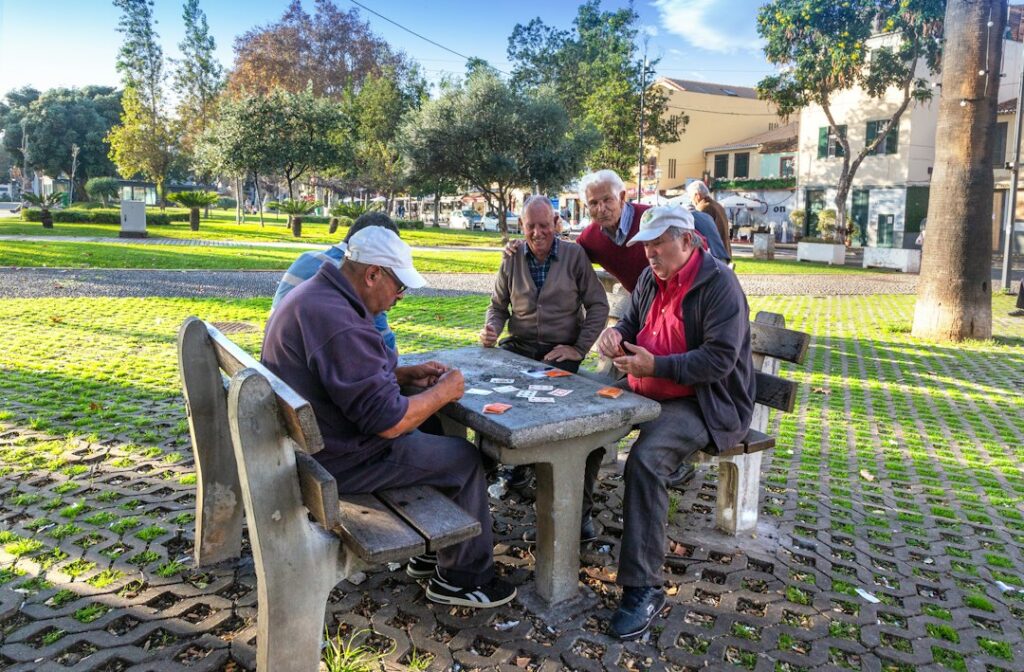
Card games, bingo, puzzles, and trivia remain popular because they are familiar, flexible, and easy to adapt. Many can be played at a table with only a few people, making them suitable for both social gatherings and smaller groups.
Common choices include:
- Bingo: Large-print cards, easy-to-see markers, and a slower pace can make bingo accessible to residents with vision, hearing, or dexterity changes.
- Simple card games: Games such as matching, sorting, solitaire, or familiar family card games can be adjusted for different skill levels.
- Dominoes and tile games: These provide gentle mental stimulation without requiring fast reactions.
- Jigsaw puzzles: Large-piece puzzles can be placed on a table for several days so residents can participate when they feel interested.
- Trivia: Questions about music, television, local history, household objects, or childhood memories often encourage conversation.
- Word games: Word searches, category games, and completing familiar sayings can be offered in large print.
- Board games: Classic games can be enjoyable when rules are simplified and time limits are removed.
Winning does not need to be the central goal. Many residents prefer games that emphasize conversation, teamwork, humor, or remembering past experiences.
What activities are good for residents with memory loss?
Residents living with memory loss often benefit from predictable, familiar, and success-oriented activities. The activity should be simple enough to begin without extensive instructions and flexible enough that participation can change from day to day.
Useful options may include sorting buttons by color, matching pictures, folding towels, arranging greeting cards, or completing familiar phrases. Music from a resident’s younger years can also prompt memories and encourage gentle movement or conversation.
A common misconception is that every activity must challenge memory or teach a new skill. For many residents, the greater benefit comes from feeling capable, included, and relaxed. If an activity causes frustration, it can be shortened, simplified, or replaced.
Helpful adjustments include:
- Using one-step directions
- Showing an example instead of explaining every rule
- Offering fewer pieces or choices at a time
- Avoiding correction when a resident makes a harmless mistake
- Praising participation rather than accuracy
- Providing a quiet alternative if the group becomes overwhelming
Are arts and crafts useful pastimes?
Arts and crafts can support hand coordination, self-expression, and conversation. They do not need to produce a perfect finished project. The process of choosing colors, handling materials, and working alongside others may be the most meaningful part.
Suitable projects include seasonal decorations, watercolor painting, simple collages, greeting cards, paper flowers, and decorating picture frames. Large-handled tools, lightweight materials, and pre-cut pieces can make participation easier for residents with arthritis, tremors, or limited vision.
In a community with noticeable seasonal changes, crafts may reflect winter scenes, spring flowers, autumn leaves, or indoor views from daily life. Projects connected to familiar household traditions can invite residents to share stories about holidays, gardens, cooking, or family activities.
Safety still matters. Materials should be non-toxic, easy to handle, and free of small pieces when a resident may place objects in the mouth or have difficulty seeing them clearly.
What are good pastimes for residents who prefer quiet activities?
Not every resident wants a busy schedule or a large group. Quiet pastimes can provide comfort and independence, particularly after meals, in the evening, or following a tiring activity.

Options include reading large-print books, listening to music, looking through picture books, completing word searches, knitting with larger needles, writing letters, coloring, watching nature programs, or arranging artificial flowers. Audiobooks and recorded stories may help residents who enjoy books but have difficulty reading for long periods.
A small activity basket can make independent participation easier. It might contain a puzzle book, colored pencils, a deck of cards, a magazine, a soft craft project, or photographs arranged in a simple album. The items should be familiar and easy to return to without assistance.
Quiet time should not be mistaken for loneliness. Some residents genuinely prefer peaceful activities, although regular opportunities for friendly conversation remain valuable.
How can families choose activities that a resident will enjoy?
Families can begin by asking about past interests rather than assuming that a resident will enjoy typical senior activities. A former mechanic might enjoy sorting tools or discussing how household objects work. Someone who once cared for a garden may enjoy seed catalogs, flower arranging, or plant-themed puzzles. A lifelong sports fan may prefer team trivia or watching a game with others.
Useful questions include:
- What games did the person enjoy as a child or parent?
- Did the person prefer competition, cooperation, or individual projects?
- What music, hobbies, or household routines were meaningful?
- Does the person tire easily or become uncomfortable in noisy settings?
- Are vision, hearing, balance, or hand movement affecting participation?
- Would the person rather lead an activity, help prepare it, or simply observe?
Preferences may change. A resident who enjoyed large group bingo in the past may later prefer a smaller table game or one-on-one activity.
How should games be adapted for physical changes?
The best adaptation preserves the resident’s ability to participate without drawing unnecessary attention to limitations. Large-print materials, high-contrast colors, lightweight pieces, non-slip surfaces, and card holders can improve comfort and independence.
For residents with limited mobility, games should be arranged on a stable table with enough room for wheelchairs or walkers. Chairs should provide proper support, and pathways should remain clear. Activities involving standing, reaching, or moving objects should be optional and supervised when balance is a concern.
Hearing difficulties may make conversation harder than the game itself. Facing the resident, reducing background noise, speaking clearly, and using written instructions can help. A resident should not be excluded simply because group conversation moves quickly.
Can games help residents connect with one another?
Yes. Shared activities create natural openings for conversation, especially for residents who may not know how to begin talking with someone new. A puzzle, music session, or familiar card game gives people a common focus and reduces pressure to maintain conversation continuously.
Activities can also connect generations. Family members may play a favorite game during visits, look through photographs, sing familiar songs, or work on a simple craft together. Children and grandchildren do not need to follow a complicated schedule; a short, relaxed activity may be more enjoyable than a long visit built around conversation alone.
The most meaningful pastime is often the one that helps a resident feel recognized. A familiar game, a favorite song, or a simple project can preserve personal identity while creating a comfortable connection with others.
