
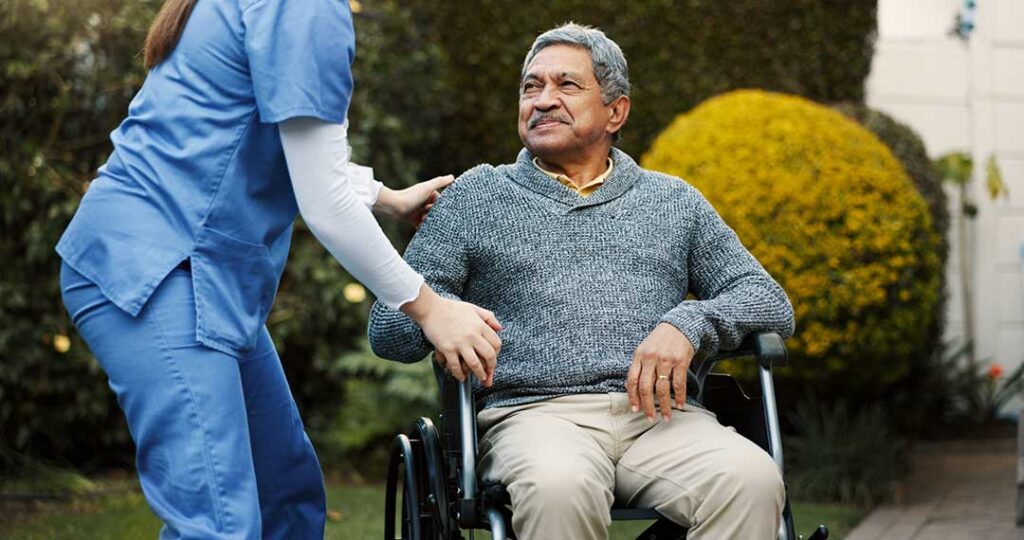
How Does Assisted Living Address Senior Isolation?
Assisted living in Blairsville, PA is structured to reduce the risk of senior isolation through purposeful design, daily activity programming, and support with social engagement. Unlike living alone, the built-in routines and shared spaces in assisted living foster more frequent social interactions that are locally relevant.
Older adults in the area may worry about becoming isolated due to changes in mobility, health, or family proximity. Assisted living settings in the community provide alternatives to solitude within the home, creating an environment where companionship is accessible, but privacy and independence are still respected.
Why Is Senior Isolation a Concern in Blairsville?
Long winters, less walkable neighborhoods, and widely spaced homes in parts of Blairsville can make it harder for older adults to see friends and family regularly. Isolation is more than just boredom—local seniors may experience declines in mood, memory, and even physical health when social connections weaken.
In smaller towns, transportation challenges and the closing of familiar gathering spots can further contribute to feelings of loneliness. Assisted living offers a counterbalance by maintaining a physical and social infrastructure suited to the needs of older adults.
What Everyday Structures Reduce Loneliness?
Regular group meals, shared lounges, and scheduled activities are part of assisted living routines that help people connect. These are not forced social events but opportunities for interaction, making it easier to strike up conversations and develop friendships. For example:
- Communal dining rooms encourage neighbors to eat together, which counters long periods spent alone at home.
- Activity calendars offer choices such as crafts, music, bingo, gardening, or seasonal gatherings—matching the interests of local seniors.
- Shared living areas like libraries, patios, or TV rooms provide natural meeting spots.
During Blairsville’s snowy or rainy seasons, these indoor spaces become especially valuable, offering a warm, accessible environment for socializing regardless of the weather.
How Do Staff and Neighbors Play a Role?
Staff in assisted living communities are often trained to recognize signs of isolation and encourage participation in ways that respect individual preferences. They may gently invite residents to join in events, assist with transportation to local outings, or organize visits with nearby family.
Neighbors quickly become familiar faces. The relatively small size of area facilities means it’s common for residents to run into the same people daily, making friendship-building less intimidating for those who are shy or new to group living.
What If Someone Prefers Quiet or Has Mobility Challenges?
It’s a misconception that assisted living requires participation in every activity or constant socializing. Residents retain control of their schedules and can choose when and how to engage. Many find that even small, regular interactions—like greeting neighbors in the hallway or attending a low-key movie night—offer benefits without pressure.
For those with limited mobility, assisted living spaces are designed to make participation easier: hallways are accessible, events are often held close to living quarters, and accommodations are available for those with physical or cognitive limitations.

How Do Locally Relevant Activities Make a Difference?
Programs in local assisted living communities often reflect the traditions and interests of Blairsville residents. Activities may include gardening that matches the region’s planting calendar, seasonal craft fairs, or group outings to nearby parks when weather allows.
By centering events around familiar themes or local history, residents are more likely to take part and feel a sense of belonging. These shared experiences help maintain connections with the broader community, not just within facility walls.
Can Assisted Living Help Rebuild Family and Community Ties?
Distance and declining health can strain relationships with relatives who live elsewhere. Assisted living often provides structured opportunities for family involvement—open invitation dinners, holiday celebrations, or multi-generational events—making visits easier and more enjoyable.
Additionally, local volunteers or community groups sometimes partner with area facilities to run programs or provide companionship, further expanding residents’ social networks.
What About the Emotional Impact?
Having peers close by who are in similar life stages makes it easier to form meaningful relationships based on shared experiences. Regular conversations—whether about local events, hobbies, or family memories—can help residents feel understood and valued.
Recent studies show seniors in assisted living who participate in group activities and maintain social ties tend to report better moods and less anxiety compared to those living solo. Emotional support from neighbors and staff can make a tangible difference in day-to-day well-being.
What Should Families Know Before Considering Assisted Living for Social Reasons?
While assisted living can’t guarantee an end to loneliness, its structure and support systems make it much easier for residents to access companionship than living alone. Families interested in these benefits should look for programs with a strong focus on resident-driven activities, opportunities to connect with the larger community, and a respectful balance between privacy and togetherness.
Supporting social connection is an ongoing effort shaped by each individual’s comfort level, interests, and health needs. For residents of Blairsville seeking alternatives to isolation, assisted living provides an environment where friendships can grow naturally over time.
